Fallout from a lawmaker’s response to remarks by the commander of US Forces Korea appears likely to spill over into the security and diplomatic arena.
On Sunday, the conservative main opposition People Power Party accused the Lee Jae Myung administration of “degrading” and “picking a fight” with the US, claiming that the administration was creating another “diplomatic farce.”
“The idea of 'jurisdiction by a foreign power' is raised over a single remark by the USFK commander,” People Power Party spokesperson Cho Yong-sool said in a statement on Sunday, saying that any diplomatic concerns with an ally should be addressed through diplomatic consultations and expressions of regret.
“By degrading an ally as a foreign power, and creating the impression that it is seeking to undermine South Korea's territorial sovereignty, the dispute is being escalated. How does any of this serve the national interest?”
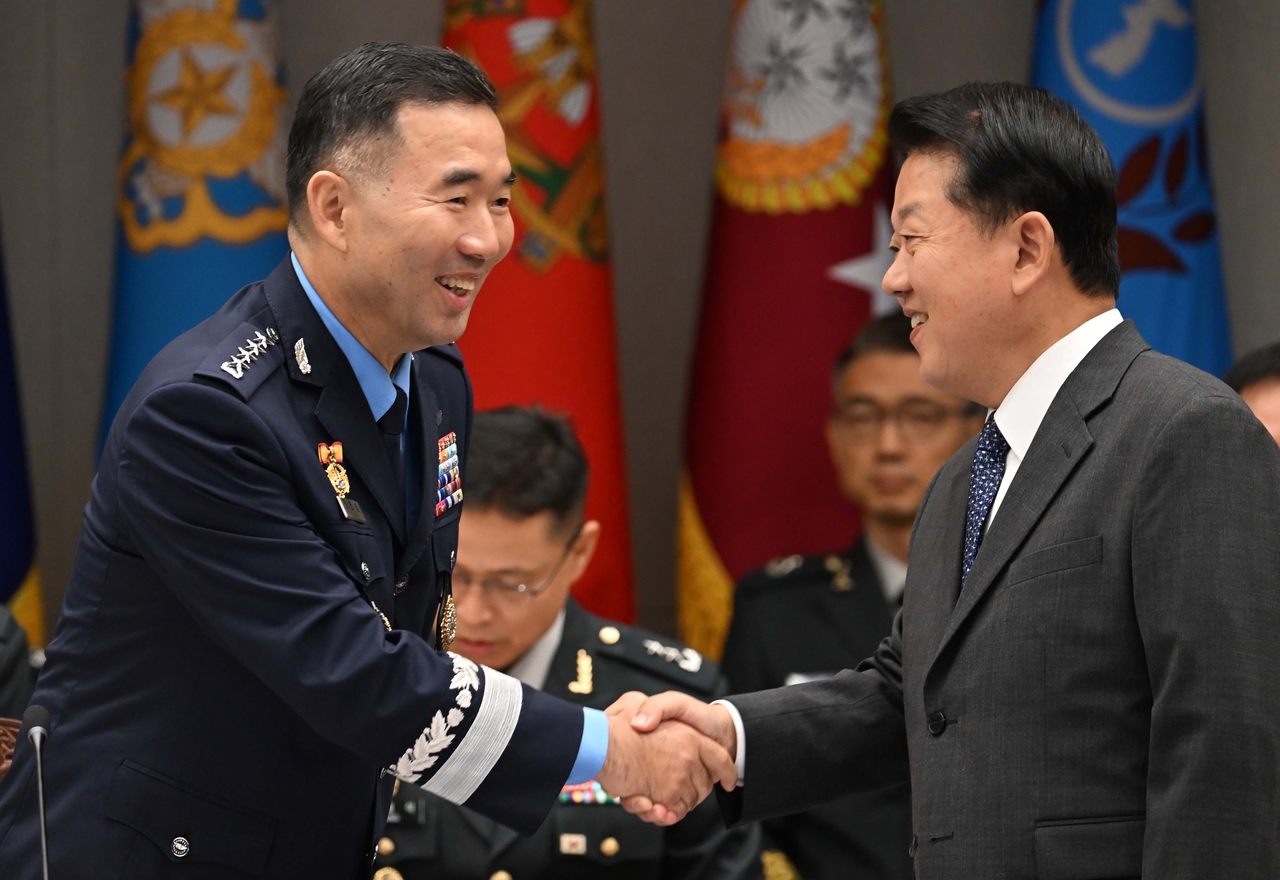
Cho was responding to comments by Rep. Kim Byung-joo of the ruling Democratic Party of Korea.
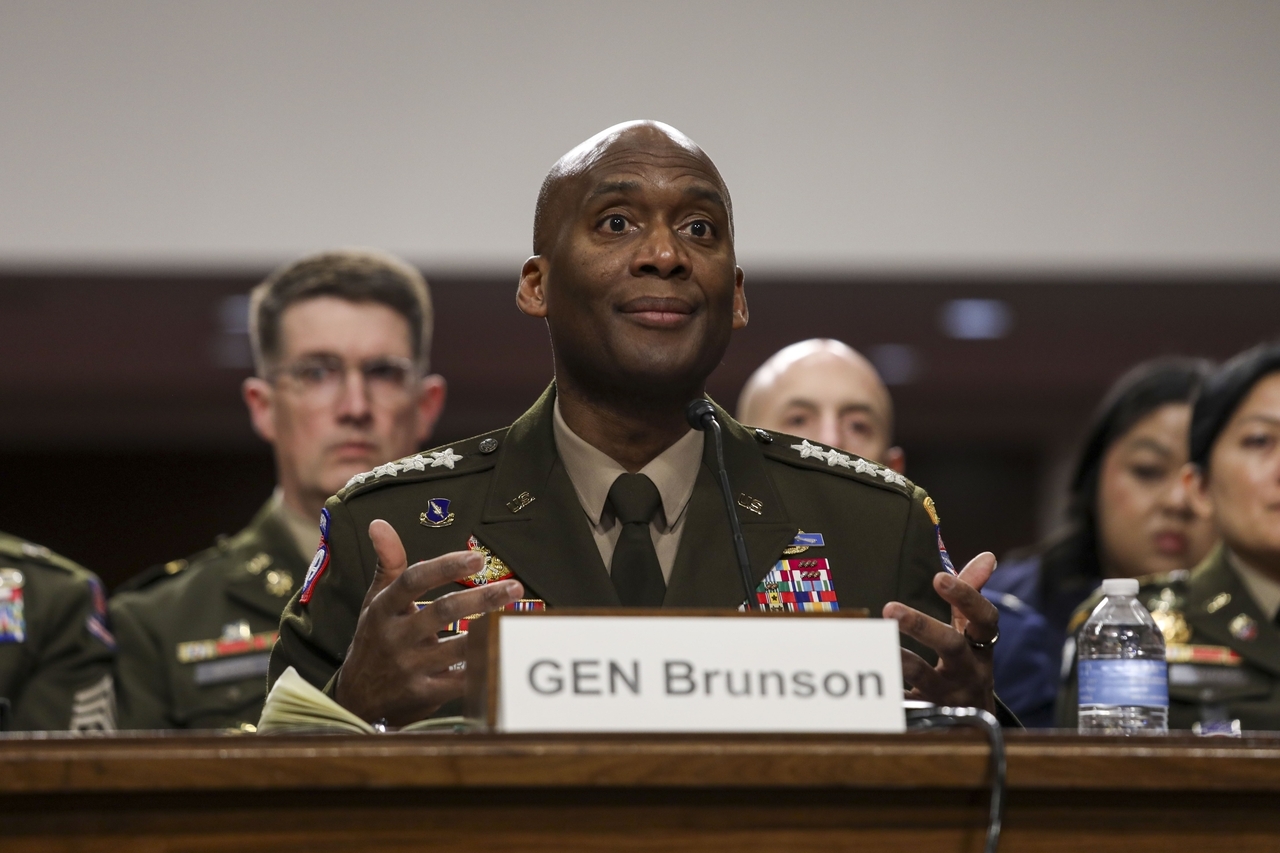
Kim demanded a public apology from Gen. Xavier Brunson, commander of USFK and the United Nations Command, in response to remarks the general made at a forum in Washington on Wednesday. At the forum, Brunson said that, from the UNC's point of view, South Korea started at the southern fence of the Demilitarized Zone, as the UNC managed the DMZ to maintain the armistice.
The DMZ separates the two Koreas in a 4-kilometer-wide strip, 2 kilometers on either side of the Military Demarcation Line.
Kim argued that the 1953 Armistice Agreement gives the UNC authority over access to and administration of the DMZ, but does not give it the power to determine South Korea's territorial sovereignty.
"These remarks crossed the line by infringing upon South Korea's territorial sovereignty," Kim said, calling on Brunson to retract them and apologize to the South Korean public.
Under South Korea's Constitution, the country's territory is defined as the Korean Peninsula and its adjacent islands.
Kim previously served as deputy commander of the South Korea-US Combined Forces Command from 2017 to 2019, the highest-ranking post held by a South Korean officer in the binational war-fighting command.
The CFC exercises wartime operational control over South Korean and US forces on the Korean Peninsula. Kim retired from the Army as a four-star general in 2019.
Rep. Jin Sung-joon of the Democratic Party, who chairs the National Assembly's National Defense Committee, also criticized Brunson's remarks Friday, saying they could create "serious misunderstanding" over the extent of South Korea's sovereignty.
Jin also sought clarification over another remark by Brunson in which the general questioned how sovereignty considerations should apply to an area he had been assigned to manage.
Jin called for South Korea to consider exercising operational control of its military in both peacetime and wartime, while also urging a review of the current plan for a future combined command after the transfer of wartime operational control.
Meanwhile, the UNC said Sunday that Brunson's remarks were not intended to address South Korea's sovereignty, stressing that the country's sovereignty "is not in question."
The command said Brunson had been referring to the military and administrative responsibilities assigned to the UNC commander under the 1953 Armistice Agreement in the DMZ and Joint Security Area.
"Those responsibilities are military and administrative; they do not alter, and were not intended to address, South Korea's sovereignty," it said.
flylikekite@heraldcorp.com
cheesuk@heraldcorp.com